The Ultimate Guide to Brewing the Perfect Cup of Tea
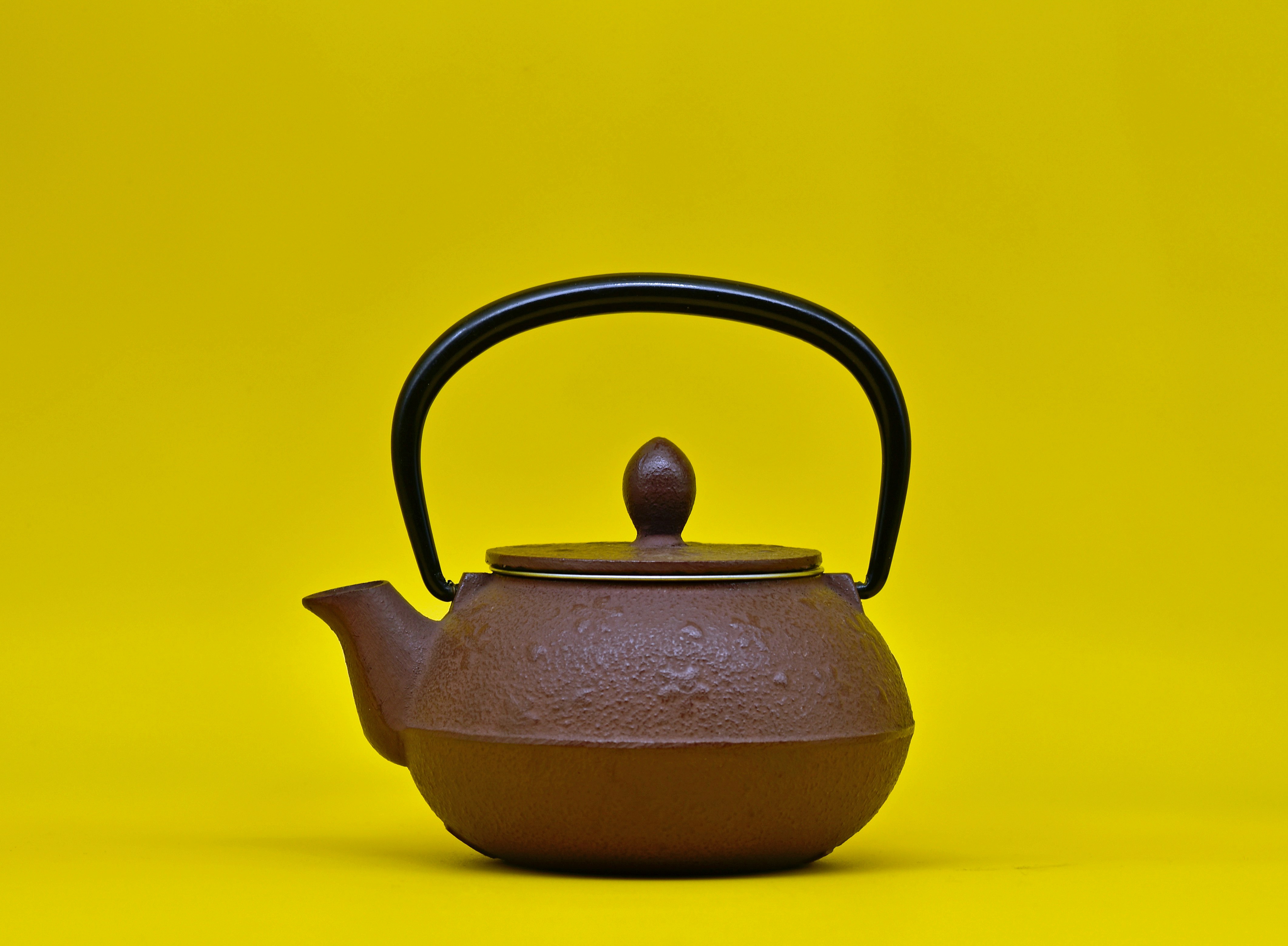
There's something magical about the ritual of brewing tea. It's not just about the end result—it's about the pause, the intention, and the mindful moment that transforms simple leaves into liquid comfort.
Tea brewing is both an art and a science. While it might seem straightforward, the difference between a good cup and an extraordinary one lies in understanding the subtle nuances that each variety demands. Whether you're new to tea or looking to refine your technique, this guide will help you unlock the full potential of every cup.
Understanding Your Tea
Before we dive into techniques, it's essential to understand that different teas require different approaches. The main categories are:
Green Tea
- Water Temperature: 160-180°F (70-80°C)
- Steeping Time: 1-3 minutes
- Character: Delicate, grassy, fresh
Black Tea
- Water Temperature: 200-212°F (95-100°C)
- Steeping Time: 3-5 minutes
- Character: Bold, robust, full-bodied
White Tea
- Water Temperature: 175-185°F (80-85°C)
- Steeping Time: 4-6 minutes
- Character: Subtle, sweet, light
Oolong Tea
- Water Temperature: 185-205°F (85-95°C)
- Steeping Time: 3-5 minutes
- Character: Complex, fruity, floral
Herbal Tea
- Water Temperature: 200-212°F (95-100°C)
- Steeping Time: 5-7 minutes
- Character: Varies widely
The Foundation: Water Quality
Water is 98% of your tea, so its quality dramatically impacts the final result. Here's what you need to know:
- Use filtered water when possible
- Avoid distilled water as it lacks minerals that enhance flavor
- Mind the mineral content - hard water can make tea taste flat
- Fresh is best - don't use water that's been sitting or re-boiled multiple times
Temperature Matters More Than You Think
Water temperature is perhaps the most critical factor in brewing. Too hot, and you'll extract bitter compounds; too cool, and you won't unlock the tea's full flavor profile.
How to Achieve the Right Temperature
Without a thermometer:
- Boiling (212°F): Full rolling boil
- Near boiling (200°F): Small bubbles forming at bottom
- Hot (185°F): Steam rising, small bubbles on sides
- Warm (175°F): Steam just beginning to form
- Cool (160°F): No visible steam
Pro tip: Let boiling water cool for 30 seconds for green tea, or 10 seconds for white tea.
The Perfect Ratio
A good starting point is 1 teaspoon of loose tea per cup (8 oz) of water. However, this can vary:
- Light teas (white, green): Start with 1 tsp per cup
- Medium teas (oolong): 1-1.5 tsp per cup
- Strong teas (black, pu-erh): 1-2 tsp per cup
- Herbal teas: 1-2 tsp per cup (they're often less dense)
Timing Is Everything
Steeping time affects both strength and flavor complexity:
First Steep
Always follow the recommended times for your tea type. Start conservative—you can always steep longer, but you can't take bitterness back.
Multiple Steeps
Many teas, especially oolongs and pu-erhs, can be steeped multiple times:
- First steep: Full recommended time
- Second steep: Add 30-60 seconds
- Third+ steeps: Add 1-2 minutes each time
Each steep reveals different flavor notes and characteristics.
The Brewing Process
Step 1: Warm Your Vessel
Rinse your teapot or cup with hot water to warm it. This helps maintain temperature during steeping.
Step 2: Measure Your Tea
Use the ratios mentioned above as a starting point, then adjust to your taste.
Step 3: Heat Your Water
Bring water to the appropriate temperature for your tea type.
Step 4: Steep Mindfully
Pour water over the tea and start your timer. Cover if using a teapot.
Step 5: Remove and Serve
Remove tea bags or strain loose tea promptly when time is up.
Advanced Tips for Tea Mastery
The Gongfu Method
For a more intensive experience, try the Chinese gongfu method:
- Use more tea (1 tablespoon per cup)
- Shorter steeping times (30 seconds to 2 minutes)
- Multiple steeps to explore flavor evolution
Seasonal Adjustments
- Summer: Slightly cooler water, shorter steeps
- Winter: Can handle slightly hotter water, longer steeps
Storage Matters
- Keep tea in airtight containers
- Away from light, heat, and strong odors
- Use within 2-3 years for best flavor
Common Mistakes to Avoid
- Using boiling water for all teas - This will make green and white teas bitter
- Steeping too long - More time doesn't always mean better flavor
- Squeezing tea bags - This releases tannins and creates bitterness
- Using old tea - Tea does expire and lose flavor over time
- Ignoring water quality - Bad water makes bad tea, no matter your technique
Creating Your Tea Ritual
The best cup of tea isn't just about technique—it's about creating a moment of mindfulness:
- Set aside dedicated time for your tea
- Engage your senses - notice the aroma, color, warmth
- Be present - let this be a break from digital distractions
- Experiment mindfully - try new teas and brewing methods
The Journey Continues
Remember, the "perfect" cup of tea is the one that brings you joy. These guidelines are starting points, not rigid rules. Every tea is different, every palate is unique, and every moment calls for something slightly different.
Start with these fundamentals, then let your taste guide you. Pay attention to how different variables affect your tea, and don't be afraid to adjust based on your preferences.
The art of tea brewing is a journey of discovery—one that deepens with every cup you make and every quiet moment you create.
Ready to start your tea journey? Explore our carefully curated selection of premium teas, each chosen for its unique character and brewing potential. Shop our tea collection and discover your new favorite cup.
What's your favorite tea brewing tip? We'd love to hear about your tea rituals and discoveries.